
You’re pleased with the appearance of your lawn in the spring, and then summer comes.
The heat increases, moisture levels go up, and your formerly lush lawn begins to thin out, patch up and become infested with weeds.
Sound familiar?
The Mid-Atlantic climate is pleasing, but it places a lot of stress on your lawn.
When it comes to lawn care, most of the general advice doesn’t consider the cycle of stress that comes with hot, humid summers, cold winters, and unexpected changes that take place on the edges of fall and spring.
Your lawn requires practices that are designed for these specific conditions.
Here are five that will work best for homeowners in the Mid-Atlantic region, and why they are important.
1. Fall Aeration and Overseeding
In places like Southeast Pennsylvania, fall is the best season to bring a new life to your lawn. The single best activity for lawn care in southeastern Pennsylvania is fall aeration and overseeding. This is often overlooked by many homeowners, and by the next spring, it shows.
The grasses found in southeastern Pennsylvania lawns are mainly cool-season grass. Tall fescue, Kentucky bluegrass and perennial ryegrass are varieties that prefer the mild fall weather. So late August to October is the ideal time to aerate and seed.
It is important to aerate this area for various reasons. Soil compaction occurs due to foot traffic, mowing, and freeze-thaw cycles throughout the year. Compacted soil retains water, air and nutrients away from the root zone. Aeration works to alleviate that compaction by pulling small plugs from the ground and allowing all the grass roots to grow and move through the soil.
After aeration overseeding makes use of these open channels. The grass seed drops straight into the aerated holes, comes in contact with the soil and germinates better. The timing is ideal when coupled with the colder weather and higher rainfall that southeastern PA experiences in the fall.
2. Seasonal Fertilization Timed to Local Growing Conditions
One of the most frequently made lawn care mistakes in this area is applying too much too late. There is a definite time of year in southeastern Pennsylvania, and you have to fertilize accordingly.
The predominant type of grass in Berks, Bucks and Montgomery counties is cool-season grass, which is active in early spring and fall. These are the time frames in which fertilization is most beneficial. Grass is fed during these times to help root growth, build grass strength and get it ready for the summer and/or winter stress.
Care needs to be taken in the application of spring fertilization. Excessive nitrogen application early in the season stimulates excessive top growth at the expense of root growth. An organic and balanced early spring feeding regimen provides a constant and consistent energy release into the grass without burning.
However, caution should be exercised when fertilizing in the summer. Cool-season grasses are already under stress in a southeastern PA summer due to the heat and humidity. Heavy fertilizing during this time may burn the grass and promote disease.
3. Targeted Weed Control for Regional Weeds
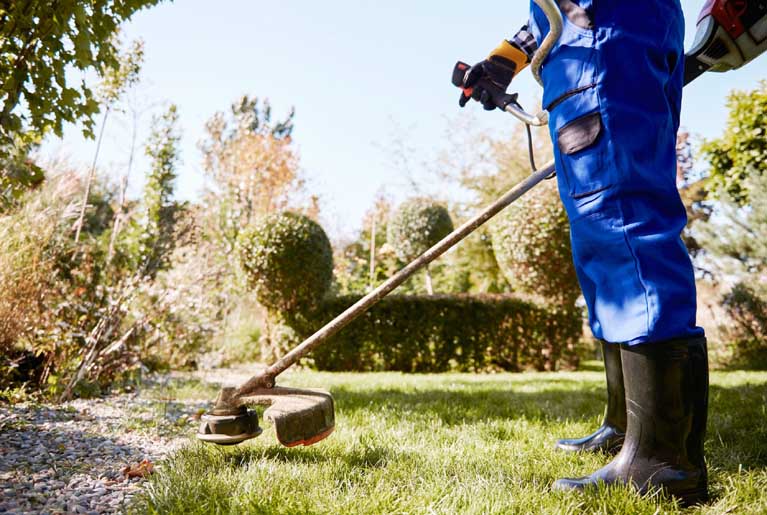
There is no single “weed type” in southeastern Pennsylvania. There are a number of persistent invaders in the region, and effective control requires some knowledge of both the identity of the weeds to control and when they germinate.
One of the most prevalent warm-season annual weeds here is crabgrass. It will germinate at temperatures around 55°F, which are consistently reached in southeastern Pennsylvania in the spring. The most important thing in controlling it is to apply a pre-emergent herbicide at the correct time in the soil temperature range—before forsythia blooms. Giving the crabgrass the chance to get started in the spring will result in very aggressive summer growth.
Broadleaf weeds, such as dandelion, clover, and ground ivy, are another problem. The latter need post-emergent treatments – once weeds are growing. Fall is indeed one of the best seasons to address the problem of broadleaf weeds in this area. Weeds will pull the herbicide down with them as temperatures drop for deeper and better weed control.
4. Grub Control Before the Damage Becomes Visible
One of the most damaging (and most hidden) lawn issues in the southeast region of PA is grubs. By the time you notice the damage, the infestation has far advanced.
The major cause is Japanese beetle grubs in this area. The egg-laying period of the adult beetles is mid-summer, usually July. The eggs hatch into grubs, which feed on grass roots underground in late summer and fall. Damage is usually not apparent until late summer or early fall when areas of lawn begin to brown and pull out of the ground like carpet.
Using preventive grub control is much more effective than reactive grub control. Grub prevention, applied in late spring or early summer, prior to egg hatching, prevents the infestation. In southeastern PA, the Japanese beetle life cycle is predictable and closely coupled with local temperature; this is an important time period for lawns in this area.
5. Mowing and Watering Practices Suited to the Mid-Atlantic Summer
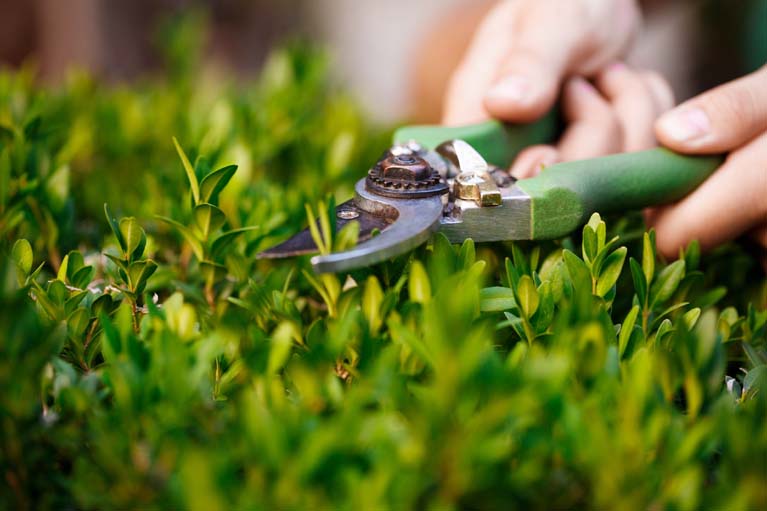
The best fertilization and weed control will not perform as well if your mowing and watering practices are going against your lawn. It is important to tailor both practices to the climate of southeastern Pennsylvania, with hot, humid summers.
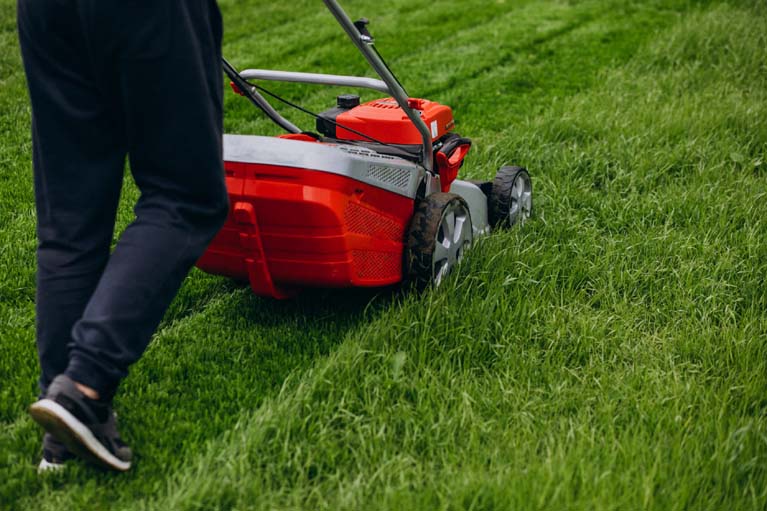
But most homeowners don’t realize how important the mowing height is. Mowing should be between 3.5 and 4 inches in height during the summer on cool-season grasses in this region. Grass shades the soil, helps lower soil moisture loss from evaporation and helps cool root temperatures during hot periods. Often the problem is cutting the grass too short, which stresses the grass, reduces the root base and leaves behind bare spots that weeds take advantage of.
Avoid taking off more than a third of the grass blade at one time. This is particularly important in the summer months when grass is already under heat stress.
Conclusion
In southeastern Pennsylvania, being able to work with the climate, not against it, is a benefit to homeowners. There are no complicated practices involved with fall aeration, properly timed fertilization, weed and grub control, or smart mowing and watering habits. However, local knowledge and timing are needed.
Used properly, you’ll have a thick, green and tough lawn right through the seasons of the Mid-Atlantic.