
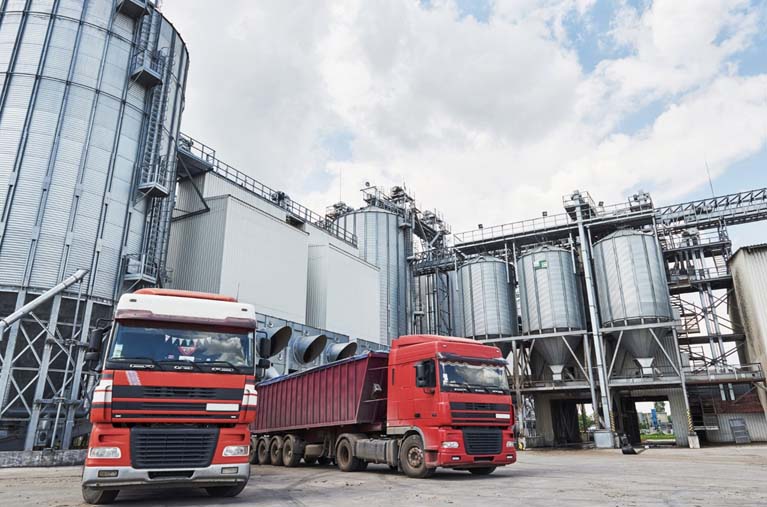
Few things slow down a fleet faster than unexpected fuel stops. For instance, when a driver crosses off a route to properly fuel their rig, they waste time. Likewise, heavy equipment that runs low on diesel can bring an entire job site to a halt. As a result, these delays can impact productivity, labor costs, and project schedules.
Many fleet managers are searching for ways to minimize those downtimes while keeping daily operations simple. Fortunately, on-site diesel fuel delivery provides a practical approach since the fuel can be delivered to vehicles, equipment, and storage tanks. So rather than time being spent commuting to fuel stations, crews can concentrate on the work that keeps the business sgoing.
Here are five ways on-site diesel fuel delivery helps keep fleets ready, efficient, and prepared for every workday.
1. Eliminate Fuel Station Trips
One of the biggest advantages of on site diesel fuel delivery is the ability to eliminate routine fuel station trips. With traditional refueling, a driver or equipment operator must leave an active site or route, travel to a fueling location to wait, and then return to work. As a result, those interruptions can add up quickly across an entire fleet.
With transportation companies, each stop for fueling will cost them some time during which they cannot drive. Similarly, when equipment is removed from a construction site to fuel, critical tasks are stalled for construction crews. In agricultural operations, these are the same disadvantages that exist when machinery needs to be kept in operation during the important planting or harvesting season.
However, fueling vehicles and equipment with diesel at the point of use supports ongoing operations. Drivers stay on time, operators stay productive, and equipment spends more time working rather than traveling to get fuel. Because of that, that simple shift can create noticeable improvements in daily efficiency.
2. Reduce Equipment Downtime

Downtime is an extremely costly issue that fleet operators face. Equipment can run out of fuel, and work can halt until it is refueled. Consequently, even short delays can affect project timelines, customer commitments, and labor productivity.
Reliability and a steady supply of diesel are essential for heavy equipment, including excavators, loaders, and generators. Likewise, fuel-powered vehicles are essential to transportation fleets for keeping deliveries on time. Meanwhile, municipal and utility fleet operations require reliable fuel availability to sustain operations throughout the day, albeit at varying levels.
Fortunately, unexpected interruptions can be prevented by scheduled fuel delivery. Fuel is supplied to vehicles and equipment at points of use, thereby preventing disruptions to work caused by fuel shortages. As a result, a proactive approach to fueling helps keep critical assets available when needed.
3. Recover Productive Work Hours
Every minute spent refueling is time that could be spent completing jobs, serving customers, or operating equipment. While a single fuel stop may seem insignificant, the cumulative impact across an entire fleet can be substantial.
Consider a fleet with twenty vehicles. If each driver spends 15 minutes per day traveling to and from a fuel station, the organization loses 5 labor hours per day. Over the course of a year, those lost hours represent a high operational cost.
On-site fuel delivery helps recover that time. Fueling can occur during planned service windows, overnight hours, or periods when vehicles are parked. Employees can start each shift with fully fueled equipment, allowing them to focus on productive work from the moment the day begins.
4. Improve Fuel Visibility

Managing fuel across multiple vehicles, job sites, and storage tanks can become challenging without reliable oversight. Fleet managers need accurate information to understand consumption patterns, monitor inventory levels, and make informed operational decisions.
Direct fuel delivery often provides better tracking and documentation than traditional fueling methods. Consistent records help organizations identify fuel usage trends and maintain greater control over operating expenses. Improved visibility also supports budgeting and resource planning.
Data-driven fleet management practices can improve operational efficiency and resource utilization. Additionally, there is growing value in accurate operational data in supporting better fleet performance and decision-making.
5. Prepare Fleets for Unexpected Demand
Fleet operations do not always follow predictable schedules. Severe weather, emergency repairs, project changes, and seasonal demand can create situations where immediate access to fuel becomes critical.
Organizations that operate generators, service vehicles, construction equipment, or municipal fleets often need to respond quickly when circumstances change. Fuel shortages during peak demand can cause delays that affect both productivity and service reliability.
Reliable diesel delivery helps strengthen operational readiness. Maintaining adequate fuel supplies enables organizations to respond more quickly to changing conditions while keeping vehicles and equipment available when they are needed most. Moreover, operational resilience and resource availability are important in transportation and logistics systems facing disruptions.
Conclusion
Keeping a fleet ready requires more than dependable vehicles and skilled operators. Consistent fuel availability plays a major role in maintaining productivity, reducing downtime, and supporting efficient daily operations. On-site diesel fuel delivery helps eliminate unnecessary fuel runs, improve equipment availability, recover valuable labor hours, strengthen fuel oversight, and enhance operational preparedness. These benefits can create a more reliable and efficient operation across multiple job sites and fleet types.
Fleet managers looking to improve performance should evaluate how fuel is supplied across their operations. A more efficient fueling strategy can reduce disruptions, support workforce productivity, and help ensure vehicles and equipment are ready whenever work begins. Taking a proactive approach to fuel management today can lead to stronger operational results over the long term.